 The weather was unkind. It wasn’t cooperating. It was raining really hard. The torrential rains lashed through the makeshift wooden house, in a frenzy, drenching almost every nook and corner of their crude, dilapidated house. Standing on a swampy area, Peter Monelar’s house would almost literally float when the friendly weather was not obligingly amiable.
Though it wasn’t raining the day we visited Peter and his family at his home, the place was damp and marshy, the seemingly settled water gladly steadied, making the surrounding more wet than dry. We had to fill in some soil and big stones around the house to at least absorb the stagnated water, yet to no avail.
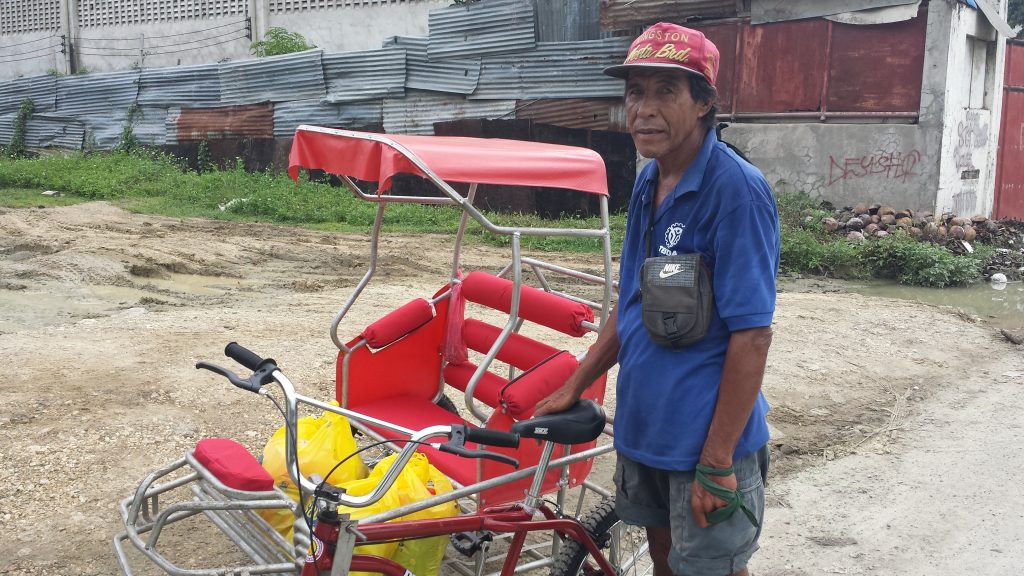
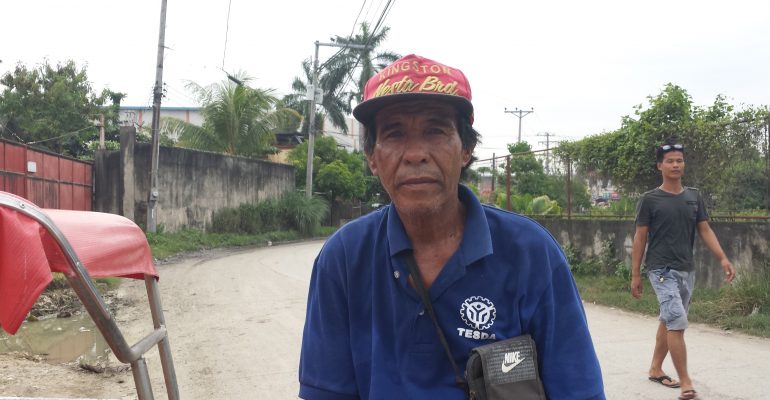
We called on him. As he went out to greet us with a warm smile, we knew that he was happy to see us. His 63-year old frame was slow and weak, having to bear the challenges of everyday toil, but his driving aura was determined, cheerful, hopeful and ever resilient. Being married to a younger lady, Elsa, 37, was by herself somebody to be proud about and having been blessed with five equally beautiful and high-spirited children was something else. In the Philippines, having more than three children was more of a norm than just taboo.
The Philippines is among the most populous countries in the world, ranking 12th globally, 7th in Asia, and 2nd in Southeast Asia. Its population continues to increase with an annual growth rate of 1.90 percent while the repercussion to the economy is.
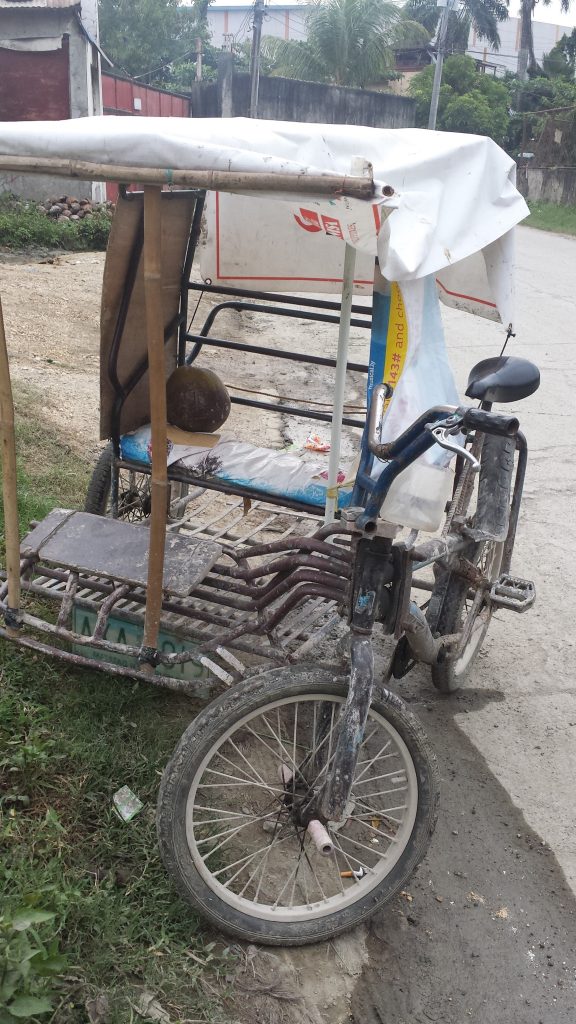
Having to drive a “pedicab” or a “trisikad” in vernacular, day after day for 20 years, Peter has to brace through unusual weather conditions just to bring food to the table to try to make ends meet. What is a pedicab by the way? A pedicab is a three-wheeled pubic conveyance available for hire and operated by pedals, typically one having a hooded cab for two to three passengers mounted behind the driver.
With a meager income of about P200 – P250 (5-6 AUD) a day, Peter is obliged to make ends meet, him being the breadwinner. What is even perplexing is having to pay P50 ($1.50) for the pedicab rental, coming down to P150-P200 ($3-5)net income for the day. How can he survive when he has to buy four kilos of rice daily, viand, water and some basic necessities let alone, spend for some school expenses?
Peter Monelar’s life is an ongoing struggle yet giving up is not an option. His family is working hard despite their limited earning options. Struggling? YES. Hopeless? DEFINITELY NOT. Peter keeps on holding on what matters most, their family. He hopes that one day, they will eventually recover from poverty with hard work, determination and resiliency. With valued support and assistance from Dycom (or the name of the Incubator project, Peter’s life can drastically improve for the better.
With Cultivo’s support, Peter doesn’t have to rent for a Pedicab anymore. He can own one! Whatever he earns daily, he can sustain for his family. Cultivo with its program to help sustain budding businesses and develop a sense of entrepreneurship, has provided a new Pedicab to help Peter start anew and some grocery items for their daily needs.
His wife used to cook and sell food for a living and it is their desire to resume the small business to augment their income. Cultivo is considering a food business start-up for Peter and his wife to be able to earn from other streams other than the pedicab rental.